

The Blog
the
Blog
What to Weigh Before You Play Online Live Keno
I spent a fair bit of time watching how Aussie punters actually behave around live keno, and the pattern’s pretty clear: most people want the pace of a real studio draw without the fuss of a crowded venue. The trick is treating it like a decision, not a impulse. When I’m advising operators on search visibility and brand reputation, I always tell them the same thing – clear rules and honest support beat flashy promises every time. That mindset matters here, because live keno moves fast and the choices you make before you press play shape the whole experience.
If you’re after something with a bit more structure around your spins, you might also want to compare how all aboard pokies at all-aboard-au.com handle their bonus terms and withdrawal windows, since the same patience applies across both formats.
Picking a Venue That Actually Matches Your Habits
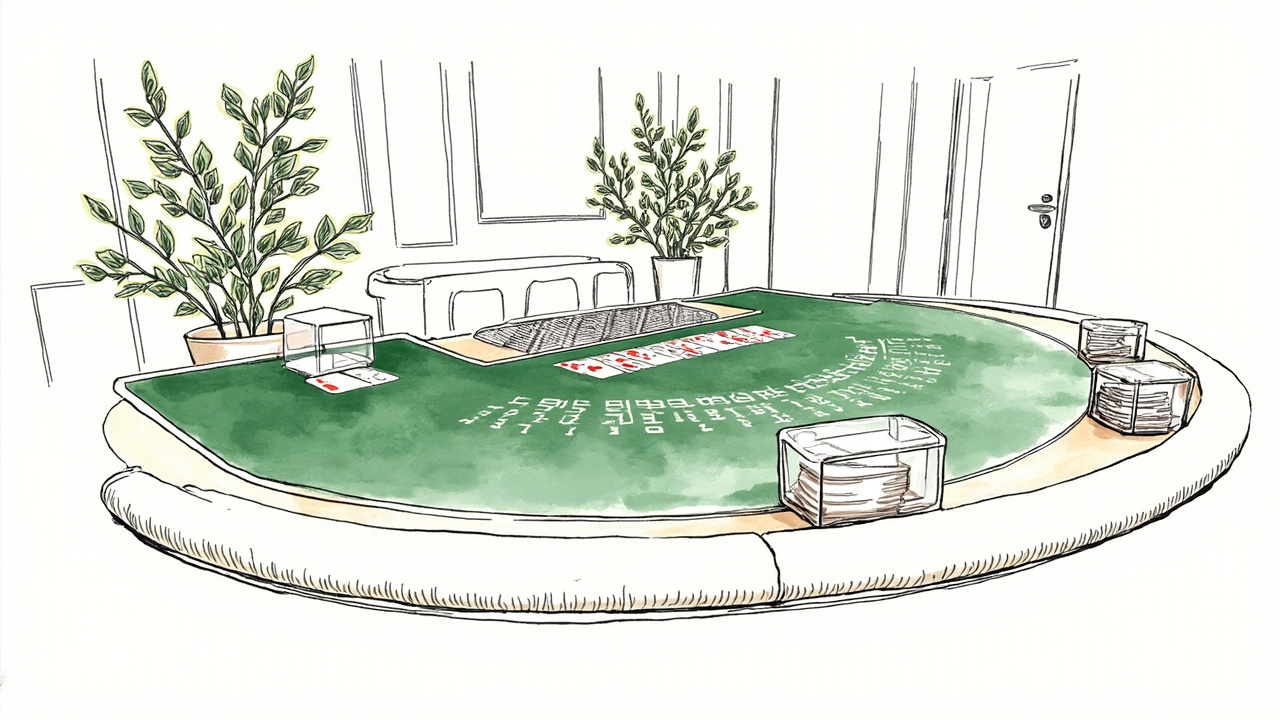
The first question worth asking is whether the room you’re walking into fits how you like to play. Live keno studios vary wildly in how they run draws, how often they shuffle the pace, and whether they keep the chat moderated or leave it to run wild. I’d lean toward a place that shows the draw mechanics plainly, keeps the host’s commentary tight, and doesn’t hide the card layout behind flashy overlays. It’s a bit like tuning a regional radio station – you want the signal clear, not a heap of static between the tracks. Registration should be straightforward, ask for the basics, and let you confirm your details before you commit any cash. Mobile play needs to hold its shape when you’re switching from a laptop to a phone in the arvo, not drop frames or blur the numbers. If the lobby feels like it’s trying too hard to rush you, step back. A steady pace and a visible draw timer do more for your headspace than a wall of promotions ever will.
Checking the Guardrails Before You Put Money In
Trust isn’t a slogan, it’s a set of controls you can actually see. Look for a venue that spells out its licensing status without making you dig through three sub-pages, and make sure the security setup covers your account the same way it covers the draw itself. I’ve seen too many sites treat privacy like an afterthought, then wonder why players lose confidence when a payout slows down. Support should be reachable through a channel that matches your rhythm – if you prefer a quick chat during a busy session, that option needs to be live, not a ticket queue that takes a day to warm up. Responsible-play tools matter just as much as the games themselves, so check for deposit limits, session reminders, and an easy way to step away without wrestling the interface. When I’m judging how a brand handles reputation, I look at whether they give you the brakes before you ask for them. That same review-rocketplay.com logic applies here: a room that lets you cap your spend, pause your play, and get a straight answer from support is doing the basics right.
Making the Numbers Work for Your Session
Once you’ve settled on a room, the practical side takes over. Live keno usually runs on a set card layout, and the pace of the draw dictates how you manage your bankroll. I’d treat it like a quiet country session – pick a stake that leaves room for the whole arvo, not just the first five minutes. Payment options should be clear about what currencies they accept, how long a deposit takes to show up, and whether withdrawals follow a straight path or a winding one. I always tell publishers that consistency in the fine print is what keeps readers coming back, and the same holds for play: if the bonus terms shift depending on how you read them, that’s a warning sign. Loyalty perks can be handy, but only if they don’t nudge you into playing past your limit. A good room keeps the rewards tied to your actual habits, not to a script that assumes you’ll keep feeding the meter. If you want to see how another format handles its bonus mechanics and payment flow, you can cross-check a recent report from 9news.com.au for how local media covers the way digital play terms are presented to punters.
Frequently Asked Questions
How fast do live keno draws usually run?
Draws tend to cycle at a steady clip, with each round taking a few minutes from card selection to the final call. I’d expect the studio to keep the pace consistent rather than speeding up when the lobby gets busy. If you like a slower rhythm, look for a room that leaves a clear gap between rounds so you can check your numbers without feeling rushed.
Can I set limits before I start playing?
Most decent rooms let you cap deposits, set session reminders, and step away with a quick toggle. I’d check those controls before your first deposit, because it’s easier to lock them in early than to hunt for them mid-session. The point is to give you a clean off-ramp, not to make you negotiate every time you want to pause.

What should I look for in mobile play?
Mobile keno needs to keep the card clear, the draw timer visible, and the support button within reach when you’re switching devices. I’d test it on a phone during a quiet moment, not halfway through a busy session, so you can see whether the layout holds up when the screen shrinks. If the numbers blur or the controls shift around, it’s not worth the hassle.
CATEGORY
9/22/2026




COMMENTS